When CBS’s 60 Minutes aired a segment featuring the alleged gunman’s manifesto, it didn’t just report news—it became part of the story. Former President Donald Trump responded with fury, accusing anchor Bill Whitaker of irresponsibly amplifying violent rhetoric. The backlash wasn’t just political theater; it exposed deep tensions between free speech, journalistic responsibility, and the weaponization of media in polarized times.
The moment unfolded during a segment examining the motivations behind a recent politically charged shooting. Instead of summarizing or contextualizing the document, Whitaker read extended passages verbatim—passages later cited by Trump as evidence of dangerous media complicity.
Trump’s response was swift and unrelenting.
The Outburst: What Trump Said and Why It Matters
In a statement released through his campaign, Trump condemned the broadcast as “a platform for madness” and accused CBS of “endorsing violence by giving it airtime.” He singled out Whitaker, calling him “a puppet of the radical left” and questioning why the network would allow an alleged domestic terrorist’s words to be delivered without interruption or pushback.
“They didn’t challenge it. They didn’t condemn it. They read it—calmly, clearly, like it was poetry,” Trump said in a rally speech the following night. “That’s not journalism. That’s recruitment.”
The critique wasn’t just personal. It tapped into a long-standing conservative narrative: that mainstream media elevates extremist voices under the guise of objectivity, especially when those voices align with progressive causes or target conservative figures.
Historically, Trump has framed media coverage as hostile. But this time, the charge was different. It wasn’t about bias in reporting—it was about dissemination. By reading the manifesto aloud, 60 Minutes crossed a line, in Trump’s view, from observer to participant.
Why Reading a Manifesto on Air Sparks Controversy
Manifestos from mass shooters or politically motivated attackers are not new. From the Unabomber to the Christchurch shooter, extremists have used written statements to justify violence and spread ideology. Yet, how the media handles these texts remains one of journalism’s most contested ethical dilemmas.
The core argument against verbatim reading is simple: amplification equals endorsement in the eyes of the public, regardless of intent.
When a respected journalist like Whitaker reads 400 words of a 12-page document that praises political violence and demonizes conservatives, the act can inadvertently validate the message. Social media clips of the reading spread rapidly, stripped of context, fueling outrage across the political spectrum.
CBS defended the decision, stating:
“Our role is to inform the public about dangerous ideologies, not sanitize them. We provided analysis before and after, and made clear this was the work of an alleged criminal.”
Still, critics argue that the pre- and post-segment commentary didn’t offset the impact of hearing the words delivered in a composed, authoritative tone—voice intonations that signal legitimacy, not alarm.
Media Ethics in the Age of Viral Violence
News organizations have long grappled with how to report on extremism without becoming megaphones. The Columbia Journalism Review and Poynter Institute offer guidelines: summarize, don’t quote; contextualize, don’t sensationalize; name the ideology, but don’t glorify the perpetrator.

Yet in practice, these rules are inconsistently applied.
Consider two cases:
- The 2018 Pittsburgh Synagogue Shooter: Major networks reported his anti-Semitic rants but did not read them in full. Coverage focused on victims and community response.
- The 2022 Buffalo Supermarket Shooter: His manifesto was widely analyzed, but few outlets read large sections aloud on national television.
60 Minutes’ decision broke from that pattern. By choosing to read extensive excerpts, the segment arguably treated the text like a political treatise rather than a criminal document.
This distinction matters. A manifesto read with journalistic gravitas gains intellectual weight, even when the content is incoherent or hateful. The tone implies the ideas are worth serious consideration—not just condemnation.
Trump seized on this nuance, framing it as evidence of double standards: conservative rhetoric is policed and deplatformed, while violent far-left or anarchist manifestos are dissected with academic detachment.
The Audience Reaction: Outrage, Support, and Misinformation
Public response split sharply along partisan lines.
On the right, the clip of Whitaker reading the manifesto was shared across right-wing platforms with captions like “CBS endorses political violence” and “This is what the deep state sounds like.” Some influencers falsely claimed the network had invited the gunman to speak—despite no such thing occurring.
On the left, defenders argued that suppressing the text would be censorship. “We can’t unsee the threat,” wrote one media analyst on The Atlantic’s blog. “Ignoring extremist manifestos doesn’t make them go away. It makes us less prepared.”
But even some liberal commentators expressed discomfort. New York Times media columnist Jack Shafer tweeted: “There’s a difference between reporting on a manifesto and performing it. 60 Minutes blurred that line.”
The segment also fueled real-world consequences. CBS fielded over 3,000 calls and emails, many threatening. The network increased security at its New York headquarters. Meanwhile, Trump’s campaign reported a spike in small-dollar donations—proof, strategists said, that the controversy energized the base.
Has the Media Crossed a Line Before? This isn’t the first time a broadcast outlet faced backlash for handling extremist content.
- In 2015, Fox News was criticized for inviting white supremacist Craig Cobb on air without adequately challenging his views.
- In 2020, CNN faced backlash for airing unedited footage of a protester calling for violence against police.
- In 2023, the BBC was condemned for interviewing a far-right extremist without sufficient pushback.
Each case sparked debate: where should the line be drawn between informing the public and normalizing dangerous ideas?
The 60 Minutes incident adds a new wrinkle—the use of a polished, prime-time platform to deliver raw extremist text. Unlike raw clips on social media, this was carefully produced, professionally delivered, and backed by one of journalism’s most trusted brands.
That trust, once leveraged, becomes a double-edged sword. When audiences see a familiar, authoritative figure reading lines like “the system must be purified by fire,” the message lingers—not as absurdity, but as ideology.
What This Means for Political Discourse
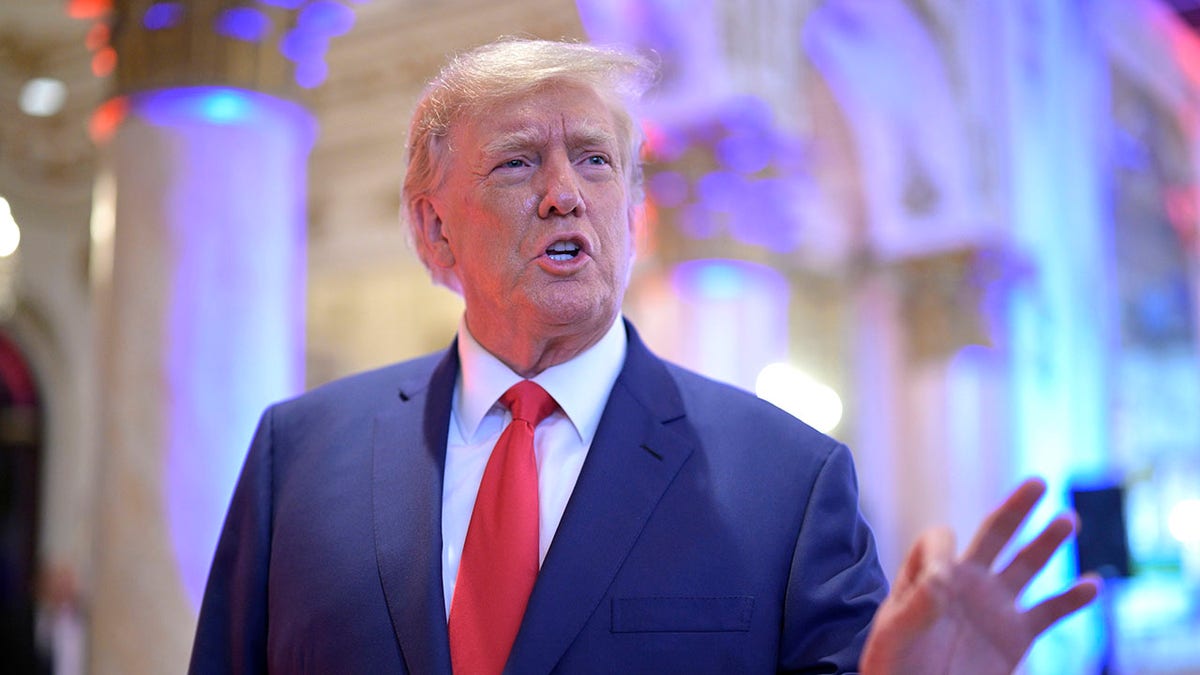
Trump’s reaction shouldn’t be dismissed as mere deflection. It reflects a broader concern: that media institutions, in their pursuit of scoops or analysis, are underestimating their role in radicalization.
Research from the University of California shows that manifestos gain traction when covered extensively by major outlets. Copycat attacks rise when perpetrators believe their message will be broadcast. The 60 Minutes segment, regardless of intent, may have fed that cycle.
Moreover, the timing mattered. With Trump facing multiple legal challenges and a tight re-election race, any coverage linking him to political violence—even indirectly—is explosive. By reading a manifesto that referenced his rhetoric, the segment implicitly tied him to the attacker’s motives, whether or not that connection was valid.
Trump’s team pounced, framing the broadcast as an attempt to smear him by association. “They’re using a madman’s rant to paint a political leader as dangerous,” said a senior advisor. “That’s not journalism—it’s sabotage.”
Whether that claim holds water depends on the manifesto’s content. If it contains distorted or misrepresented quotes from Trump’s speeches, the network has a duty to correct the record—not just recite the distortion.
Lessons for Journalists and Viewers Alike
This episode offers hard lessons for media producers and consumers:
- For journalists: Summarize extremist texts. Quote sparingly. Always challenge dangerous ideas on air—not just before and after, but in real time.
- For networks: Avoid giving manifestos the aesthetic treatment of serious political discourse. Tone, lighting, and delivery matter.
- For viewers: Be critical. Ask: Is this being presented to inform, or to provoke? Who benefits from this clip going viral?
One practical framework some newsrooms use is the “Harm vs. Public Interest” test:
| Factor | Consider |
|---|---|
| Public Interest | Does the audience need to know this to understand the threat? |
| Harm Potential | Could this inspire imitation or spread dangerous ideologies? |
| Context Provided | Is the ideology being analyzed, or just aired? |
| Alternatives | Can the same insight be conveyed without quoting the text? |
By this measure, 60 Minutes may have failed. The public interest was real—but so was the risk of harm.
The Bigger Picture: Media, Power, and Political Fire
Trump’s lashing out at Whitaker wasn’t just about one broadcast. It’s part of a years-long war over narrative control. He sees the media not as a watchdog, but as an adversary—and moments like this reinforce that view.
Yet the danger isn’t one-sided. When media outlets handle extremist content with the gravity of a State of the Union address, they risk becoming tools in a propaganda machine. And when politicians respond with blanket condemnations, they risk silencing necessary conversations about rising extremism.
Balance is possible. But it requires humility, editorial rigor, and a willingness to admit when lines are crossed.
CBS hasn’t apologized. 60 Minutes stands by the segment. But internally, sources say the network is reviewing its editorial protocols for handling extremist material.
Trump, meanwhile, continues to rally supporters around the idea that the establishment media is rigged—not just against him, but against ordinary Americans who “don’t want violence, just truth.”
Whether that message gains traction depends not just on politics, but on how the next manifesto is handled.
Because the next one will come. The only question is: who will read it—and how?
FAQ
What should you look for in Trump Slams 60 Minutes Anchor Over Manifesto Reading? Focus on relevance, practical value, and how well the solution matches real user intent.
Is Trump Slams 60 Minutes Anchor Over Manifesto Reading suitable for beginners? That depends on the workflow, but a clear step-by-step approach usually makes it easier to start.
How do you compare options around Trump Slams 60 Minutes Anchor Over Manifesto Reading? Compare features, trust signals, limitations, pricing, and ease of implementation.
What mistakes should you avoid? Avoid generic choices, weak validation, and decisions based only on marketing claims.
What is the next best step? Shortlist the most relevant options, validate them quickly, and refine from real-world results.


:max_bytes(150000):strip_icc():focal(728x275:730x277)/princess-catherine-prince-william-donald-trump-king-charles-iii-trump-state-visit-uk-windsor-091725-8672599a27214b6f8ffdbb07fd7596e4.jpg)